
Dusting Tips
The Maids Seattle – Dusting Tips
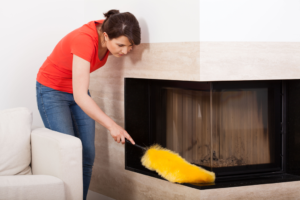 Dust can quickly make a clean home look dull and untidy. In addition, dust can collect on furniture, shelves, electronics, blinds, and many other surfaces. Therefore, regular dusting should play an important role in your home cleaning routine.
The Maids Seattle understands how quickly dust can build up in Seattle-area homes. Although dusting may seem simple, using the right methods can make a big difference. In fact, proper dusting can help your home look cleaner while also reducing the amount of dust floating through the air.
Fortunately, you do not need complicated tools or harsh cleaning products. Instead, a good routine and a few basic supplies can help you stay ahead of household dust.
Why Does Dust Build Up So Quickly?
Household dust comes from many different sources. For example, it may contain tiny fibers from clothing, carpets, bedding, and furniture. In addition, pollen and outdoor particles can enter when you open doors and windows.
People and pets also contribute to household dust. Meanwhile, heating and cooling systems can move small particles from one room to another.
Because dust has many sources, you cannot completely stop it from entering your home. However, you can control buildup with regular cleaning.
The Maids Seattle recommends paying special attention to areas where dust tends to settle. As a result, your regular cleaning routine can become faster and more effective.
Start Dusting From the Top
One of the best dusting tips involves starting at the highest point in each room. Then, work your way toward the floor.
For example, begin with ceiling fans, light fixtures, high shelves, and the tops of cabinets. Afterward, move to tables, counters, chairs, and other lower surfaces.
Dust naturally falls as you clean. Therefore, starting at the bottom may force you to clean the same surfaces twice.
Finally, vacuum or mop the floor after you finish dusting. This simple top-to-bottom approach helps collect particles that fall during cleaning.
Use Microfiber Cloths for Better Results
The right cleaning cloth can make dusting much easier. For example, microfiber cloths work well because they grab and hold small particles.
In contrast, some traditional dusters simply move dust into the air. As a result, the particles may settle somewhere else a short time later.
For light dust, use a clean, dry microfiber cloth. However, you can slightly dampen the cloth when you need extra cleaning power.
Be careful not to make the cloth too wet. Otherwise, you may leave streaks or moisture behind.
Also, fold your cloth into sections. Then, switch to a clean section as each area becomes dirty. This method gives you several clean surfaces from one cloth.
Dust Ceiling Fans Without Making a Mess
Ceiling fans can collect surprising amounts of dust. Unfortunately, cleaning them can send that buildup onto your furniture and floors.
Therefore, clean ceiling fans before working on lower areas.
One useful method involves placing an old pillowcase around each fan blade. Next, gently pull the pillowcase toward you. The fabric catches much of the dust instead of allowing it to fall around the room.
Afterward, wipe the blade with a microfiber cloth if needed. Also, clean the light fixture and surrounding fan housing.
For best results, check your ceiling fans often. Regular cleaning prevents thick layers from building up.
Don’t Forget the Tops of Doors and Cabinets
Many homeowners dust the surfaces they can easily see. However, hidden areas can collect large amounts of dirt.
For example, check the tops of doors, door frames, cabinets, refrigerators, and tall furniture. In addition, look at the upper edges of mirrors and picture frames.
These areas may not look dirty from below. Still, accumulated particles can eventually move throughout the room.
Therefore, add high surfaces to your regular dusting routine. You may need a sturdy step stool or an extendable cleaning tool to reach them safely.
Clean Blinds and Window Areas
Blinds are major dust collectors. In addition, open windows can bring pollen and other outdoor particles into your home.
First, close your blinds so the slats create a flat surface. Then, wipe across them with a microfiber cloth. Next, turn the blinds in the opposite direction and repeat the process.
For heavier buildup, you may need to wipe each slat separately.
Also, clean window sills, frames, and tracks. These areas often collect dirt that enters from outside.
Seattle’s changing weather can make windows an important part of your cleaning routine. Therefore, regular attention can help prevent dirt and dust from building up around these areas.
Dust Electronics Carefully
Televisions, computer monitors, game systems, and other electronics can attract dust. However, these items require careful cleaning.
First, turn off electronics before cleaning them. Next, use a clean microfiber cloth to remove surface dust.
Avoid spraying cleaning products directly onto screens or electronic equipment. Instead, follow the manufacturer’s cleaning instructions for each device.
In addition, check around cords, speakers, routers, and entertainment centers. These areas often collect dust because people may overlook them during normal cleaning.
Keeping electronics clean also improves the appearance of the entire room. Therefore, include them in your regular dusting schedule.
Pay Attention to Baseboards
Baseboards are easy to ignore. However, dusty baseboards can make an otherwise clean room look unfinished.
First, use a vacuum attachment to remove loose dirt. Then, wipe the surface with a microfiber cloth.
If your baseboards have sticky dirt or marks, use an appropriate cleaner for the painted or finished surface. However, test cleaning products in a small area first when needed.
Also, pay extra attention to corners. Dust, pet hair, and debris often collect there.
The Maids Seattle knows that small details can have a big effect on how clean a room looks. Therefore, cleaning baseboards can help give your home a more polished appearance.
Dust Under Furniture
Dust does not only collect on visible surfaces. In fact, large amounts can hide under beds, sofas, dressers, and other furniture.
Therefore, move lightweight furniture when possible. Then, vacuum or dust underneath it.
For heavy furniture, use a vacuum attachment or flat cleaning tool that can reach into tight spaces.
Also, check behind nightstands and entertainment centers. These hidden spaces often collect dust for months because they are difficult to reach.
Regular cleaning makes these areas easier to maintain. As a result, you will not face a large buildup during your next deep cleaning.
Keep Bedrooms as Dust-Free as Possible
Bedrooms can collect plenty of dust because they contain bedding, clothing, rugs, and upholstered furniture. Therefore, they deserve special attention.
First, wash sheets and pillowcases regularly. Also, follow care instructions for blankets, comforters, and other bedding.
Next, dust nightstands, lamps, headboards, dressers, and window areas. In addition, vacuum beneath the bed whenever possible.
Clutter can also make dusting harder. Therefore, keep unnecessary items off dressers and nightstands.
When surfaces stay clear, you can clean them much faster. As a result, you may find it easier to maintain a regular routine.
Control Pet Hair and Dander
Pets bring plenty of happiness into a home. However, they can also add hair and dander to the cleaning workload.
Therefore, homes with pets may need more frequent dusting and vacuuming.
Start by cleaning the areas where your pets spend the most time. For example, vacuum pet beds, sofas, rugs, and nearby floors.
Also, wash pet bedding according to its care instructions. Meanwhile, wipe hard surfaces where hair and dust tend to settle.
Regular grooming may also help control loose hair. However, grooming needs vary by pet, so choose a routine that works for your animal.
Vacuum After You Dust
The order of your cleaning routine matters. Therefore, dust before you vacuum.
As you clean shelves, furniture, and other surfaces, some particles will fall to the floor. If you vacuum first, you may need to vacuum again.
Instead, work from the ceiling toward the floor. After you finish dusting, vacuum carpets and rugs.
For hard flooring, vacuum or sweep first. Then, mop when appropriate.
This cleaning order saves time. In addition, it helps you collect more of the particles loosened during dusting.
Check Your Air Filters
Your home’s heating and cooling system can move airborne particles throughout your living space. Therefore, filters play an important role in controlling dust.
Check your HVAC filter regularly and follow the manufacturer’s replacement recommendations. In addition, make sure you use the correct filter size and type for your system.
A dirty filter may not work as effectively. Therefore, staying on top of filter maintenance can support your overall cleaning routine.
Also, remember that replacing filters does not eliminate the need for dusting. Instead, think of filter maintenance and surface cleaning as two parts of the same strategy.
Reduce Clutter to Make Dusting Easier
Decorations, books, papers, toys, and other objects create more places for dust to settle. As a result, clutter can turn a simple cleaning job into a long project.
Start by removing items you no longer need. Next, organize the belongings you want to keep.
Use cabinets, drawers, baskets, or storage containers when appropriate. Then, keep frequently cleaned surfaces as open as possible.
A less cluttered room is usually faster to dust. In addition, organized spaces can make the entire home feel cleaner.
Create a Weekly Dusting Routine
Dusting becomes easier when you do it regularly. Therefore, create a simple schedule instead of waiting until you can see a thick layer of dust.
For example, focus on frequently used surfaces each week. These may include tables, shelves, televisions, desks, nightstands, and window sills.
Then, rotate less noticeable areas into your schedule. Ceiling fans, cabinet tops, door frames, vents, and baseboards may not need attention every time you clean.
A routine prevents the job from becoming overwhelming. More importantly, regular maintenance means each dusting session should require less work.
Don’t Forget Lamps and Light Fixtures
Lamps and light fixtures can become dusty faster than you might expect. In addition, dust can make these areas look dull.
First, turn lights off and allow hot bulbs to cool completely. Then, carefully wipe appropriate surfaces with a clean cloth.
Also, clean lamp bases, shades, and nearby tables. However, choose a cleaning method that is safe for the material.
For example, fabric lampshades may need a different method than glass fixtures. Therefore, always consider the material before cleaning.
Clean Vents and Registers
Air vents and registers can collect visible layers of dust. Furthermore, air movement may spread loose particles into the surrounding room.
Use a vacuum attachment to remove loose buildup. Then, wipe accessible surfaces with a microfiber cloth.
Also, check bathroom exhaust vents and kitchen ventilation areas. Grease or moisture may make dust stick more firmly in these locations.
Because these areas can become dirty quickly, include them in your deeper cleaning routine.
Remember Picture Frames and Wall Decor
Wall decorations often get overlooked during routine cleaning. However, picture frames, clocks, mirrors, and decorative pieces can collect dust along their top edges.
Therefore, gently wipe these items when you clean the surrounding room.
Start at the top and work downward. Also, use care around delicate artwork and decorative materials.
For framed glass, use a suitable glass-cleaning method. However, avoid spraying liquid directly onto frames where moisture could reach artwork or photographs.
Make Dusting Easier With Good Habits
A few everyday habits can help control the amount of dirt entering your home.
For example, use doormats at entrances and clean them regularly. In addition, consider removing outdoor shoes when entering the house.
Keep windows and doors closed when outdoor pollen or dust levels are high. Also, vacuum high-traffic areas regularly.
Meanwhile, avoid allowing clutter to pile up. Open surfaces are much easier to wipe clean.
These small steps will not stop every particle. However, they can make regular house cleaning more manageable.
Deep Clean Hard-to-Reach Areas
Even with regular cleaning, some spaces need occasional extra attention. Therefore, plan deeper dusting sessions throughout the year.
During a deep clean, look behind furniture and appliances. Also, clean high shelves, ceiling corners, vents, fan blades, and other forgotten spaces.
Next, check underneath beds and large furniture. In addition, clean decorative items before returning them to shelves.
Deep cleaning helps reset your home. Afterward, your normal weekly routine may become much easier.
Why Professional Cleaning Can Help
Busy schedules can make detailed house cleaning difficult. In addition, dust can return quickly when several areas of the home need attention at once.
Professional cleaning can help homeowners keep up with routine cleaning tasks. A professional team can also focus on many of the details that are easy to miss during a quick cleanup.
The Maids Seattle provides professional house cleaning for homeowners who want a cleaner, fresher living space. Whether you need regular service or a more detailed cleaning, professional help can save valuable time.
Most importantly, a consistent cleaning routine can prevent dust and dirt from taking over your home.
The Maids Seattle Can Help Keep Your Home Clean
Dust is part of every home. However, it does not have to control how your home looks and feels.
Start at the top, use the right tools, and work your way toward the floor. In addition, remember commonly missed areas such as blinds, baseboards, vents, ceiling fans, electronics, and spaces under furniture.
Regular dusting can make each cleaning session easier. Furthermore, controlling clutter and keeping up with vacuuming can help you maintain cleaner surfaces throughout your home.
If your schedule makes it difficult to keep up, The Maids Seattle can help. A professional cleaning routine can give you more time while helping your home stay fresh, comfortable, and ready to enjoy.
With the right approach, dusting does not need to become a major chore. Instead, a few smart habits and consistent cleaning can help keep your Seattle home looking its best.