
Waterproofing Your House
The Maids Seattle – Waterproofing Your House
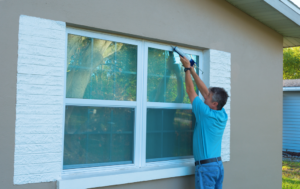 Seattle is famous for its beautiful green scenery. However, all that greenery comes with plenty of rain. As a result, homeowners need to protect their homes from excess moisture throughout the year. Waterproofing your house can help prevent leaks, mold, damaged walls, and costly repairs.
The Maids Seattle understands how wet weather can affect a home. Although regular cleaning keeps your living space fresh, keeping unwanted water outside is just as important. Therefore, homeowners should check their roofs, gutters, windows, foundations, and other problem areas before heavy rain arrives.
Fortunately, you do not have to waterproof your entire house at once. Instead, you can inspect one area at a time. With regular maintenance and a few smart improvements, you can help keep your home dry, clean, and comfortable.
Why Waterproofing Your House Matters
Water can cause serious damage when it enters areas where it does not belong. At first, a small leak may seem harmless. However, that small amount of moisture can eventually damage drywall, insulation, flooring, wood, and other materials.
In addition, damp areas can encourage mold and mildew growth. These problems can create unpleasant smells and make your home harder to keep clean. Therefore, stopping water before it enters your house makes regular home maintenance much easier.
Waterproofing can also help protect the value of your property. After all, water damage can become expensive when homeowners ignore it for too long. Instead, finding and correcting small problems early can help prevent larger repairs later.
Start With Your Roof
Your roof provides one of your home’s most important defenses against rain. Therefore, inspect it regularly for signs of damage.
First, look for missing, cracked, loose, or damaged shingles. Also, watch for areas that appear worn or uneven. Even a small damaged section can allow rainwater to reach materials underneath the roof.
Next, inspect flashing around chimneys, vents, skylights, and other roof openings. These areas often need special attention because water can enter through small gaps.
Additionally, look inside your attic after periods of heavy rain. Water stains, damp insulation, dark spots, or musty smells may point to a roof leak.
However, avoid climbing onto a wet or steep roof yourself. Instead, contact a qualified roofing professional when an inspection or repair requires working at height.
Keep Gutters Clean
Gutters play a major role in waterproofing your house. They collect rainwater from the roof and move it away from your home.
However, leaves, pine needles, dirt, and other debris can block the flow of water. When that happens, rain may overflow from the gutters. As a result, water can run down siding or collect near the foundation.
Therefore, check your gutters throughout the year. In particular, inspect them during fall when leaves and other debris can build up quickly.
Also, make sure your gutters remain firmly attached to the house. Sagging sections can hold standing water instead of directing it toward the downspouts.
Finally, look for leaks around gutter seams and joints. Fixing these small problems can help prevent larger moisture issues.
Direct Downspouts Away From Your Foundation
Cleaning your gutters solves only part of the problem. You also need to make sure downspouts carry water away from the foundation.
If a downspout empties directly beside your house, rainwater can collect around the foundation. Over time, that moisture may find its way through cracks and weak points.
Therefore, check where each downspout ends. Extensions can help carry water farther away from the house when needed.
In addition, watch the ground during heavy rain. Water should move away from your home rather than toward it.
Proper drainage offers a simple but important way to protect your house from moisture.
Check Your Home’s Foundation
Your foundation supports your entire house. However, it also comes into contact with wet soil during rainy weather.
Therefore, inspect visible foundation walls for cracks or other signs of damage. Small cracks do not always mean you have a serious problem. Still, you should watch them for changes.
In addition, look for water collecting close to the foundation. Poor drainage can increase moisture around your home and create problems over time.
Furthermore, pay attention to damp smells or visible moisture inside basements, crawl spaces, and lower-level rooms. These signs may indicate that water has found a way inside.
If you notice large cracks, repeated water leaks, or structural concerns, contact a qualified professional for an inspection.
Inspect Windows and Doors
Windows and doors provide another common path for unwanted moisture.
Therefore, check the areas around window and door frames. Look for cracked caulk, gaps, peeling paint, damaged weatherstripping, or signs of water staining.
Next, inspect windows after heavy rain. Moisture around the frame may point to a seal or drainage problem.
Also, pay special attention to older windows. Over time, seals and exterior caulking can wear out. Fortunately, replacing damaged caulk may help close small gaps before they become bigger problems.
However, do not simply cover serious water damage with new caulk. Instead, determine where the water comes from and correct the source.
Protect Your Siding
Siding helps create another barrier between your home’s interior and Seattle’s wet weather. Therefore, keeping it in good condition should remain part of your waterproofing plan.
Walk around your home and look for loose, cracked, warped, or missing siding. Also, check areas around pipes, vents, outdoor fixtures, and other openings.
In addition, watch for peeling paint or dark stains. These signs may indicate ongoing moisture exposure.
Plants can also hold moisture against exterior walls. Therefore, trim bushes and shrubs when they grow too close to the house. This extra space can improve airflow and make exterior inspections easier.
Pay Attention to Your Crawl Space
Many Seattle-area homes have crawl spaces. Unfortunately, these areas can develop moisture problems because homeowners rarely see them.
Therefore, inspect your crawl space from time to time. Look for standing water, damp wood, wet insulation, mold growth, or musty odors.
Additionally, check for leaking plumbing pipes. Sometimes the moisture problem comes from inside the house rather than from rain.
Proper drainage and moisture control can help protect the structure above the crawl space. However, serious moisture problems may require professional help.
Watch for Indoor Signs of Water
Sometimes your home’s interior provides the first warning of an exterior waterproofing problem.
For example, look for brown or yellow stains on ceilings and walls. Also, check for bubbling paint, peeling wallpaper, warped flooring, or swollen trim.
In addition, pay attention to unusual smells. A persistent musty odor can point to hidden moisture even when you cannot see water.
Therefore, do not simply clean or paint over suspicious stains. Instead, find the source first. Otherwise, the problem may return.
Once you repair the leak and the area dries completely, you can focus on cleaning and restoring the affected space.
Check Bathrooms and Kitchens
Not every waterproofing problem starts outside. Kitchens, bathrooms, and laundry rooms use large amounts of water every day.
Therefore, check under sinks for slow leaks. Also, inspect areas around toilets, tubs, showers, dishwashers, refrigerators, and washing machines.
A small plumbing leak can create major damage if it continues unnoticed. For that reason, periodically inspect cabinets and flooring around plumbing fixtures.
Additionally, repair damaged caulk around tubs and showers. Good seals help keep water where it belongs.
Regular cleaning can also help you spot problems sooner. After all, it becomes much easier to notice stains, damp areas, and damaged caulk when surfaces stay clean.
Keep Bathrooms Well Ventilated
Bathrooms naturally produce moisture. However, too much indoor humidity can lead to mildew and other problems.
Therefore, use your bathroom exhaust fan during showers and baths. Continue running it for a short time afterward to help remove humid air.
Also, wipe up standing water instead of allowing it to sit on floors, counters, or window sills.
In addition, wash bathroom surfaces regularly. Soap residue and moisture can create conditions where mildew grows more easily.
Although ventilation does not waterproof the exterior of your house, controlling indoor moisture remains an important part of keeping your home dry.
Clean Around Windows Regularly
Window areas often collect dust, dirt, and moisture. Therefore, regular cleaning gives you a chance to inspect them closely.
First, wipe down window sills and frames. Then, look carefully at corners for dark spots or discoloration.
Next, check window tracks. Dirt and debris can collect inside them and may interfere with proper drainage on some window designs.
Furthermore, clean moisture from windows when condensation develops. Frequent condensation can signal high indoor humidity or other issues that deserve attention.
By keeping these areas clean, you can often notice small problems before they become harder to manage.
Maintain Proper Drainage Around Your Yard
Your yard can affect how well your house handles heavy rain.
Ideally, the ground should encourage water to flow away from your foundation. However, low spots can collect water near the house.
Therefore, walk around your property after a strong rainstorm. Look for puddles or areas where water sits for long periods.
Also, inspect drains and drainage channels for leaves and debris. Keeping these areas clear can help water move more freely.
In addition, avoid piling soil or landscaping materials in ways that direct water toward your home. Instead, plan your landscape with drainage in mind.
Keep Exterior Drains Clear
Outdoor drains can become clogged with leaves, mud, and other debris. As a result, water may collect where you do not want it.
Therefore, check exterior drains before Seattle’s rainy periods. Remove visible leaves and other material from the surface.
Also, inspect drains after storms. A drain that worked during summer may struggle when fall leaves begin to collect.
Keeping drainage systems clear takes only a little time. However, it can make a major difference during periods of heavy rain.
Clean Up Water Quickly
Even with good waterproofing, accidents happen. A pipe can leak, a window can let in rain, or an appliance can release water.
When that happens, act quickly.
First, stop the source of the water when you can do so safely. Next, remove standing water and begin drying the area.
Additionally, move wet rugs, towels, boxes, and other items away from the affected space. Moist materials can hold water against floors and walls.
However, significant flooding or contaminated water requires professional assistance. Likewise, hidden moisture inside walls or floors may require special drying equipment.
Make Waterproofing Part of Seasonal Maintenance
Seattle homeowners should not think about waterproofing only when a leak appears. Instead, include moisture protection in your regular home maintenance routine.
For example, inspect gutters, downspouts, windows, doors, siding, and drainage areas before the wettest months. Then, check these areas again after severe storms.
Also, look inside your home for new stains or moisture problems.
By following a regular schedule, you can catch many problems while they remain small. As a result, you may avoid more expensive repairs later.
Waterproofing Can Help Keep Your Home Cleaner
Waterproofing and house cleaning work together more than many homeowners realize.
When water enters a house, it can carry dirt and create stains. In addition, damp spaces may develop mildew and unpleasant odors.
Therefore, keeping moisture outside can make interior cleaning easier. Dry floors, walls, window sills, and storage areas generally require less work than spaces affected by repeated leaks.
Furthermore, a dry home feels more comfortable. It can also help protect furniture, rugs, clothing, documents, and other belongings from moisture damage.
Do Not Ignore Small Warning Signs
Small problems can provide important warnings.
For example, one water stain may indicate a roof leak. A small puddle near the foundation may reveal a drainage issue. Likewise, peeling paint around a window could point to repeated moisture exposure.
Therefore, investigate changes when you first notice them.
Of course, not every stain means you have a major waterproofing problem. However, checking the cause can give you peace of mind and help you respond early when repairs become necessary.
Know When to Call a Professional
Homeowners can handle many basic maintenance tasks themselves. For example, you can inspect windows, clean accessible drainage areas, watch for leaks, and check interior surfaces.
However, some jobs require professional skills and equipment.
Roof repairs, major foundation cracks, serious drainage problems, hidden leaks, extensive mold growth, and electrical hazards around water should receive professional attention.
Therefore, know your limits. Calling the right professional early can help protect both your house and your safety.
Keep Your Seattle Home Clean and Protected
Seattle’s rainy climate makes moisture control an important part of home care. Fortunately, a regular waterproofing routine can help you stay ahead of many common problems.
Start with the roof and gutters. Then, inspect your downspouts, foundation, siding, windows, doors, crawl space, and outdoor drainage. In addition, watch kitchens, bathrooms, laundry areas, and other indoor spaces for signs of unwanted water.
Most importantly, do not wait for a major leak before taking action. Regular inspections and simple maintenance can help protect your home throughout the rainy season.
The Maids Seattle can help you keep your home’s interior fresh, clean, and comfortable. While proper waterproofing helps keep unwanted moisture outside, regular professional cleaning helps maintain the spaces where your family spends its time.
Therefore, make cleaning and moisture prevention part of your regular home maintenance plan. With consistent care, you can enjoy a cleaner, drier, and more comfortable Seattle home throughout every season.